
Dental bonding is a cosmetic dental treatment that can be used to improve the appearance of teeth affected by minor chips, discoloration, gaps, or changes in shape. Using a tooth-colored composite resin, your dentist can carefully shape and polish the material to complement your natural teeth.
At Press & Berman in Clifton, NJ, we can evaluate your teeth and discuss whether dental bonding may be an appropriate option for your individual needs.
Schedule a Consultation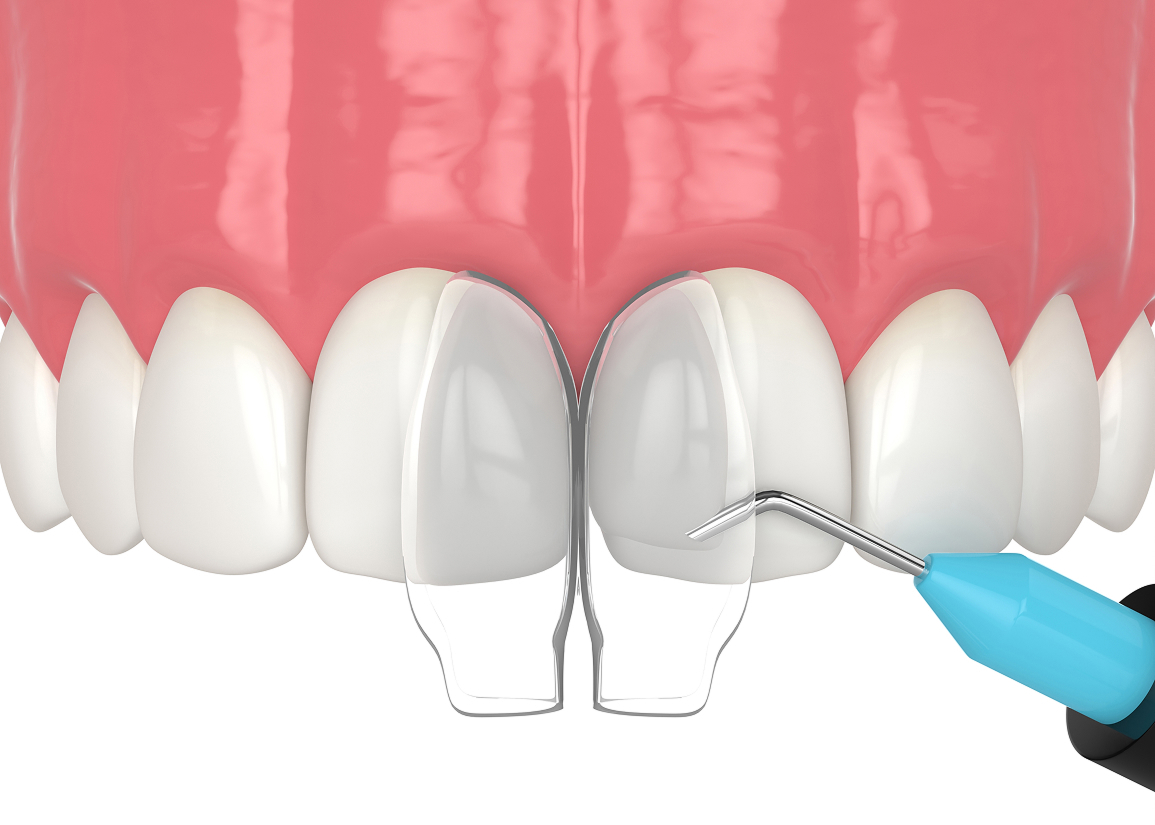
Dental bonding uses a tooth-colored composite material that is applied directly to the surface of a tooth. The material is shaped to achieve the desired appearance and then hardened before being polished.
Because bonding can often be completed without extensive removal of natural tooth structure, it may be an option for certain minor cosmetic concerns.
Depending on your individual situation, dental bonding may be used to address:
Bonding is not appropriate for every dental concern. During an examination, your dental professional can determine whether bonding or another treatment may better address your needs.
Schedule a ConsultationWhat to Expect
Dental bonding is generally completed in several straightforward steps.
Your tooth and surrounding oral tissues are examined to determine whether bonding is appropriate. Any underlying dental concerns may need to be addressed first. Your dentist will also select a composite shade designed to blend with your natural teeth.
The tooth is prepared so that the bonding material can properly adhere to its surface. This step helps ensure the composite bonds securely and achieves a natural-looking result.
The tooth-colored resin is carefully applied and shaped to achieve the desired result. A special light is used to harden the material. The bonded tooth is then shaped and polished so that it blends naturally with the surrounding teeth.
Advantages of Treatment
Dental bonding can offer several advantages for appropriate cases. The results and longevity of dental bonding depend on factors such as the location of the bonding, your oral habits, and how well the restoration is maintained.
Dental bonding can provide long-lasting results when properly cared for, but the material can eventually wear, stain, or chip. The expected lifespan varies depending on the tooth treated, your bite, eating habits, oral hygiene, and other individual factors.
Maintaining good oral hygiene and attending regular dental examinations can help protect your teeth and bonding.
Bonded teeth should be cared for much like your natural teeth. Continue brushing twice daily, cleaning between your teeth, and visiting your dental professional for regular examinations and cleanings.
Avoid using your teeth to bite hard objects, as excessive force can damage the bonding material.
Dental bonding can be an effective option for certain minor cosmetic concerns, but it is not the right treatment for every patient. Your dentist will consider the condition of your teeth, your oral health, your goals, and the extent of the concern before recommending treatment. If you have gum disease, tooth decay, or another underlying oral health issue, that condition may need to be addressed before cosmetic treatment.
Press & Berman in Clifton, NJ can evaluate your oral health and discuss whether dental bonding or another treatment may be appropriate for your needs. Contact our office to schedule an appointment and learn more about your options.
Schedule an AppointmentTooth-colored composite resin can be matched and shaped to blend with your surrounding teeth. The final appearance depends on the tooth, the extent of treatment, and the skill of the dental professional.
Dental bonding is generally a comfortable procedure. Whether anesthesia is needed depends on the tooth and the treatment being performed.
Treatment time depends on the number of teeth being treated and the complexity of the case. Many bonding procedures can be completed in a relatively short appointment.
Dental bonding may be used to repair certain minor chips and restore the appearance of a tooth. Larger or more complex damage may require a different treatment.
Continue regular brushing and flossing, attend routine dental visits, and avoid biting hard objects with bonded teeth. Your dental professional can provide personalized care instructions.
