
A missing tooth can affect more than the appearance of your smile. It can make chewing more difficult, affect the way your teeth come together, and allow surrounding teeth to shift into the space. A dental bridge can replace one or more missing teeth and help restore the function and appearance of your smile.
At Press & Berman in Clifton, NJ, we can evaluate your oral health and discuss whether a dental bridge may be an appropriate option for replacing your missing teeth.
Schedule a Consultation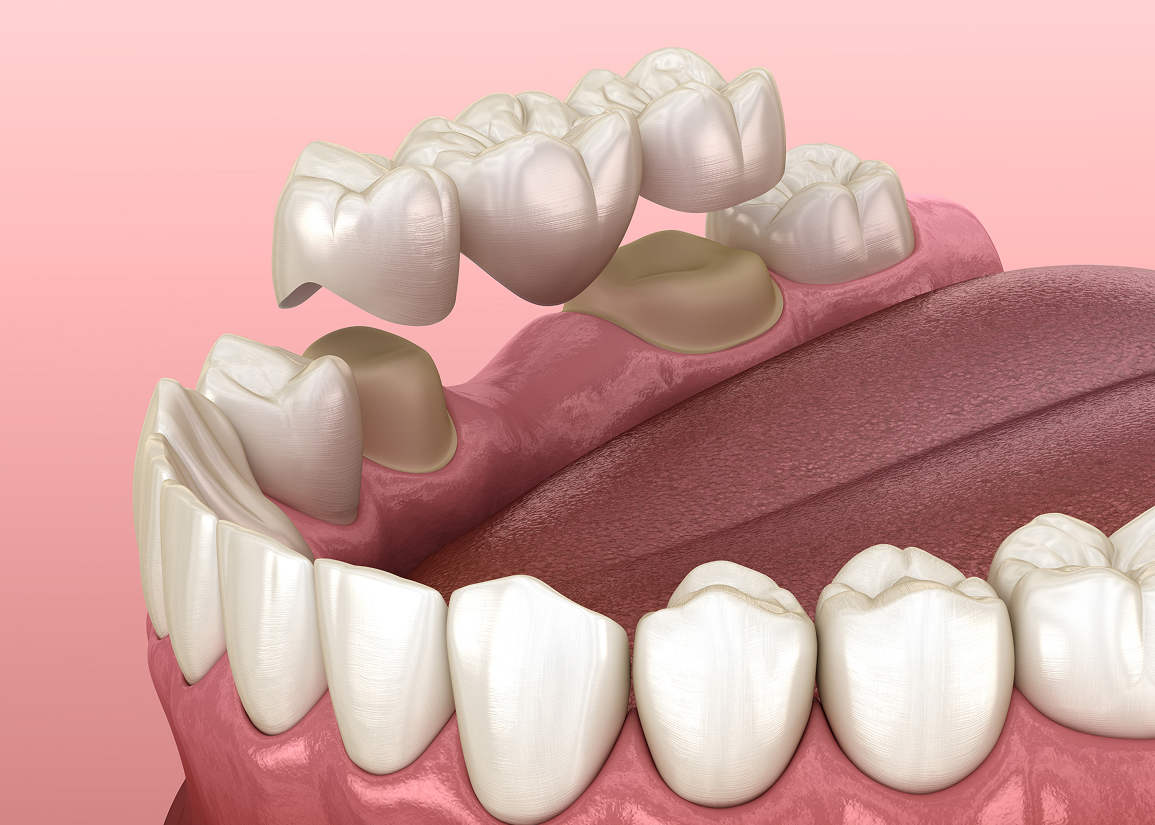
A dental bridge is a dental restoration designed to replace one or more missing teeth. A traditional bridge typically consists of a replacement tooth, known as a pontic, supported by crowns placed on the neighboring teeth.
The bridge is designed to fill the space created by missing teeth and restore your ability to chew and speak comfortably.
A dental bridge may be considered if you have one or more missing teeth and have healthy supporting teeth and oral tissues. Your dentist will evaluate factors such as:
A comprehensive evaluation helps determine whether a bridge is appropriate or whether another tooth replacement option may better suit your needs.
Schedule a ConsultationA traditional bridge uses crowns placed on neighboring teeth to support the replacement tooth. This is one of the most common types of dental bridges.
A cantilever bridge may be used when there is only one suitable neighboring tooth available for support. Its use depends on the location of the missing tooth and the forces placed on the restoration.
A Maryland bridge uses a framework or wings attached to the back of neighboring teeth to support the replacement tooth. It may be appropriate for certain situations, particularly in areas where the forces on the restoration are limited.
Your dental professional can recommend the appropriate type based on your individual circumstances.
What to Expect
The process generally involves several steps.
Your teeth, gums, bite, and supporting structures are evaluated. Your dentist will discuss your treatment options and determine whether a bridge is appropriate.
For a traditional bridge, the neighboring teeth may need to be prepared to support the crowns. An impression or digital scan may be used to create a bridge that fits your mouth and matches the surrounding teeth.
Once the bridge is ready, it is fitted and secured in place. Your dentist will check the fit, appearance, and bite to ensure the restoration functions properly.
For appropriate patients, a dental bridge may provide several benefits:
The best tooth replacement option depends on your oral health, the location of the missing teeth, and your individual needs.
Dental bridges and dental implants are different approaches to replacing missing teeth. A bridge typically relies on neighboring teeth or other structures for support, while a dental implant is placed into the jawbone to replace the root of a missing tooth.
Both options have different treatment requirements and considerations. During your consultation, your dental professional can explain which options may be appropriate for your situation.
Ongoing Care
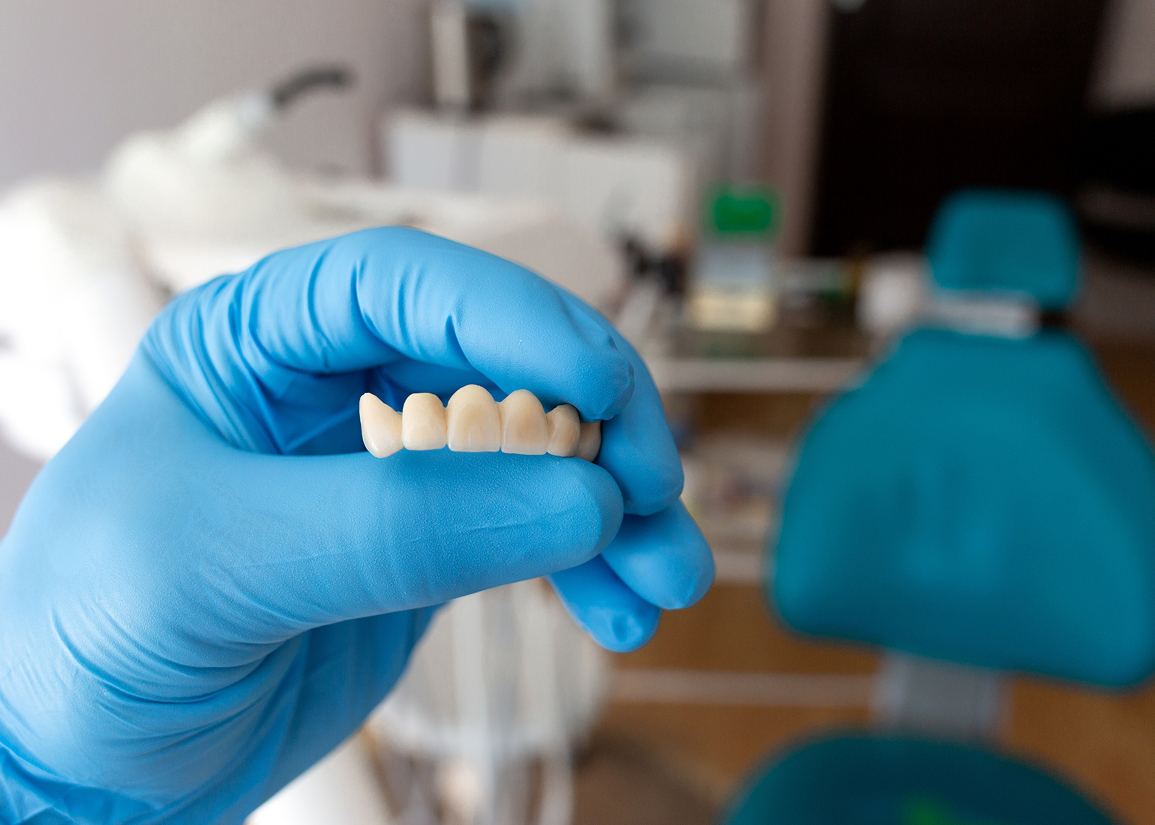
Good oral hygiene is important for maintaining your bridge and the surrounding teeth and gums. Special flossing tools or other cleaning aids may be recommended to help clean beneath and around the bridge.
If you are missing one or more teeth and are considering your tooth replacement options, a dental bridge may be one solution to discuss. At Press & Berman in Clifton, NJ, we can evaluate your oral health, discuss your treatment goals, and help you understand whether a dental bridge or another tooth replacement option may be appropriate. Contact our office to schedule a consultation and learn more about dental bridges.
Schedule a ConsultationThe lifespan of a dental bridge varies depending on factors such as oral hygiene, the location of the bridge, bite forces, and the health of the supporting teeth and gums.
The procedure is performed with appropriate anesthesia when needed. Some temporary sensitivity may occur after treatment, depending on the type of bridge and tooth preparation.
Yes, certain types of bridges can replace multiple adjacent missing teeth. Your dentist can determine whether a bridge is appropriate based on your individual situation.
Cleaning beneath a bridge is important. Your dental professional can demonstrate the appropriate flossing technique and recommend cleaning aids designed for your restoration.
Dental implants and bridges work differently and have different advantages and considerations. The appropriate option depends on your oral health, bone condition, neighboring teeth, and treatment goals.
